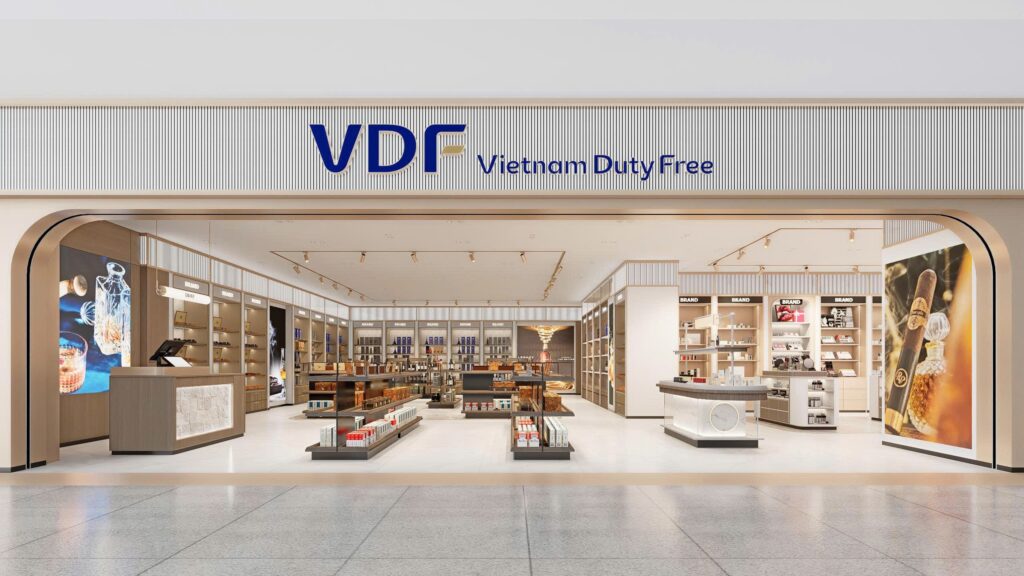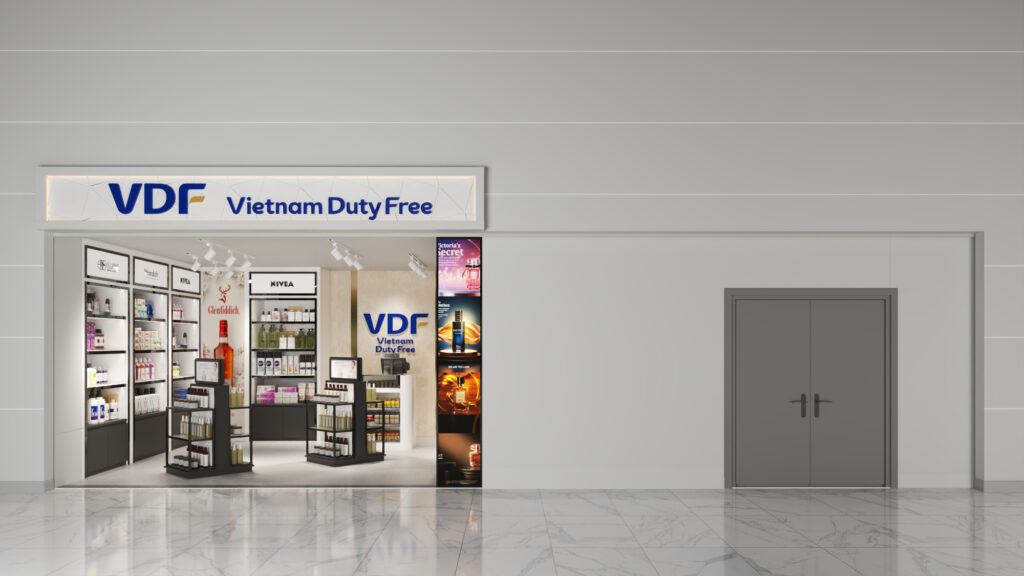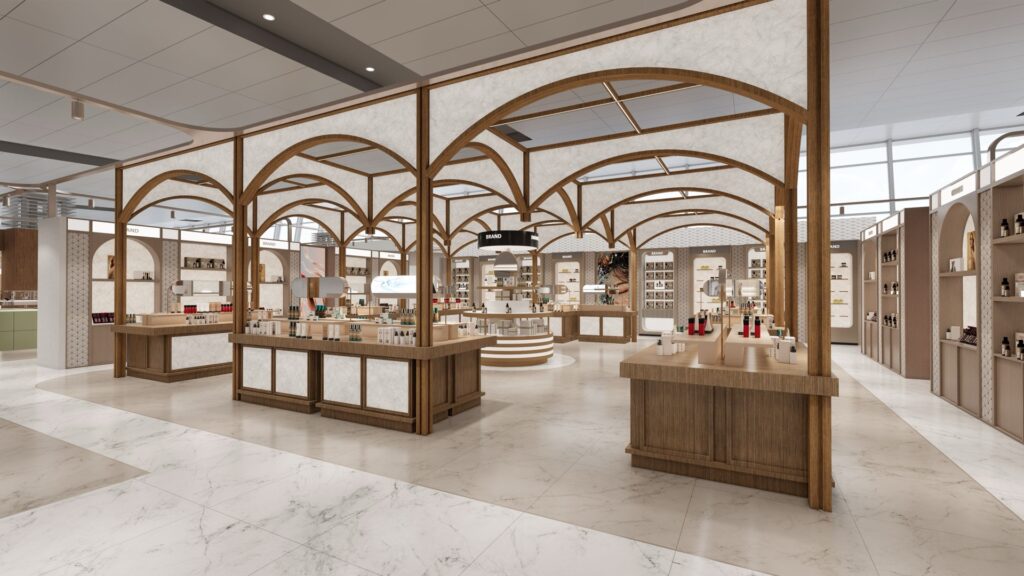


Duty-free shops sell goods without the import duties, excise and value-added taxes that normally apply inside a country. In Vietnam they are located in the restricted areas of international airports, after immigration on departure and before customs on arrival, so only international travellers with a valid boarding pass or entry stamp can buy.
Who can shop
Departing passengers on international flights, arriving passengers before they clear customs, and transit passengers all qualify. Domestic passengers do not, because their journey never leaves the customs territory. Staff will ask to see your boarding pass at the till; the flight number is recorded with the sale.
What is typically cheaper
- Spirits and wine – the largest saving, because excise tax on alcohol is high.
- Tobacco – strictly limited by the allowance of your destination country.
- Fragrance and cosmetics – prices are close to those in the brand boutiques downtown, but travel-exclusive sets and sizes are often only available at the airport.
- Confectionery and local specialties – convenient last-minute gifts, sealed for the flight.
Paying and taking your purchase
Most shops accept Vietnamese dong, US dollars and major cards. Liquids bought after security at your departure airport are packed in a sealed tamper-evident bag with the receipt inside; keep it sealed if you have a connecting flight, otherwise it may be confiscated at the next security check.
Rule of thumb: check the allowance of the country you are flying into, not the one you are leaving. That is where customs will ask questions.
Give yourself twenty minutes at the gate area, compare the price tag with what you would pay at home, and remember that arrival duty-free lets you buy on the way in so you do not have to carry bottles across the world.